Lending Someone Your Bank Account Carries a Three-Year Prison Term
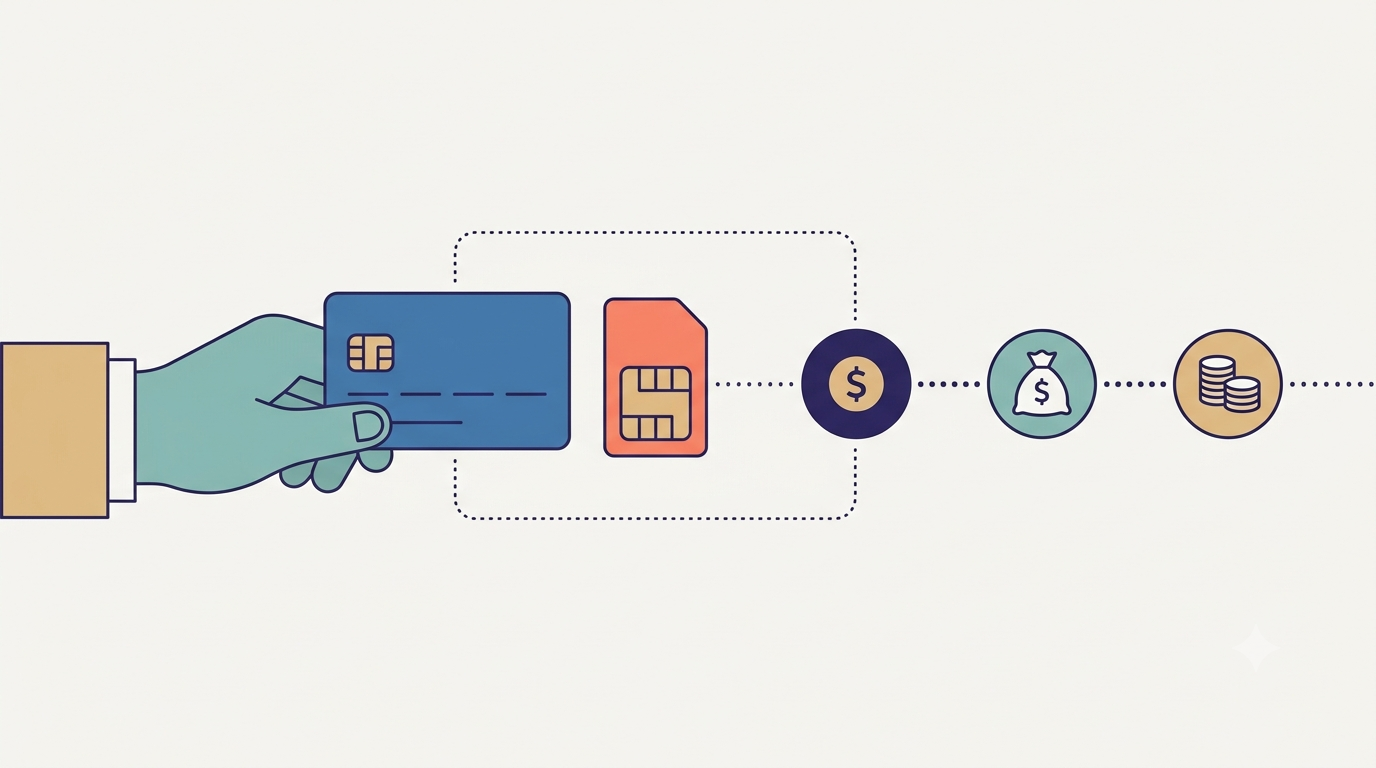
A mule account is a bank account opened in one person's name and then handed to someone else to receive money, while the person whose name is on it never uses it. Criminals want these accounts because money taken by deception has to pass through several accounts to break the trail before it is withdrawn. A mule SIM works the same way, except that it is a phone number rather than an account.
Many people still treat lending an account as a small favour, on the grounds that they did not deceive anyone themselves. Thailand has had a specific law setting out the penalty for this since 2023.
"Lend your account once, and the penalty is up to three years in prison."
The Emergency Decree on Measures for the Prevention and Suppression of Technology Crimes, B.E. 2566, was published in the Royal Gazette on March 16, 2023. Section 9 provides that any person who opens or allows another person to use their deposit account, electronic card or e-money account without intending to use it themselves, or who allows another person to use their mobile phone number, while knowing or having reason to know that it will be used to commit a crime, is liable to imprisonment of up to three years, a fine of up to 300,000 baht, or both.
The phrase worth reading closely is knowing or having reason to know. The law does not require proof that the account holder helped plan the fraud. It is enough that they were in a position where they ought to have known. Saying that you had no idea what the other person was doing is not the shield many people assume it to be.
Those who procure accounts, advertise to buy them, or act as brokers trading accounts and SIM cards face a heavier penalty: imprisonment from two to five years, a fine from 200,000 to 500,000 baht, or both, under Sections 10 and 11.
Source: https://ratchakitcha.soc.go.th/documents/140A018N0000000000100.pdf
A second decree followed in 2025, published in the Royal Gazette on April 12, 2025 and in force the next day. The change that reshapes the whole system sits in Section 8/10, which makes financial institutions, mobile network operators, other telecommunications providers and social media platforms share responsibility for losses caused by technology crime, unless they can prove they complied with the standards set by their regulators.
This shifts the burden of proof. Previously the victim chased their own money. Now the service provider has to show it met the required standards in full. The second decree also creates new offences covering improper SIM registration and the use of another person's data, including that of a deceased person, to open an account or register a SIM.
How Large the Problem Is
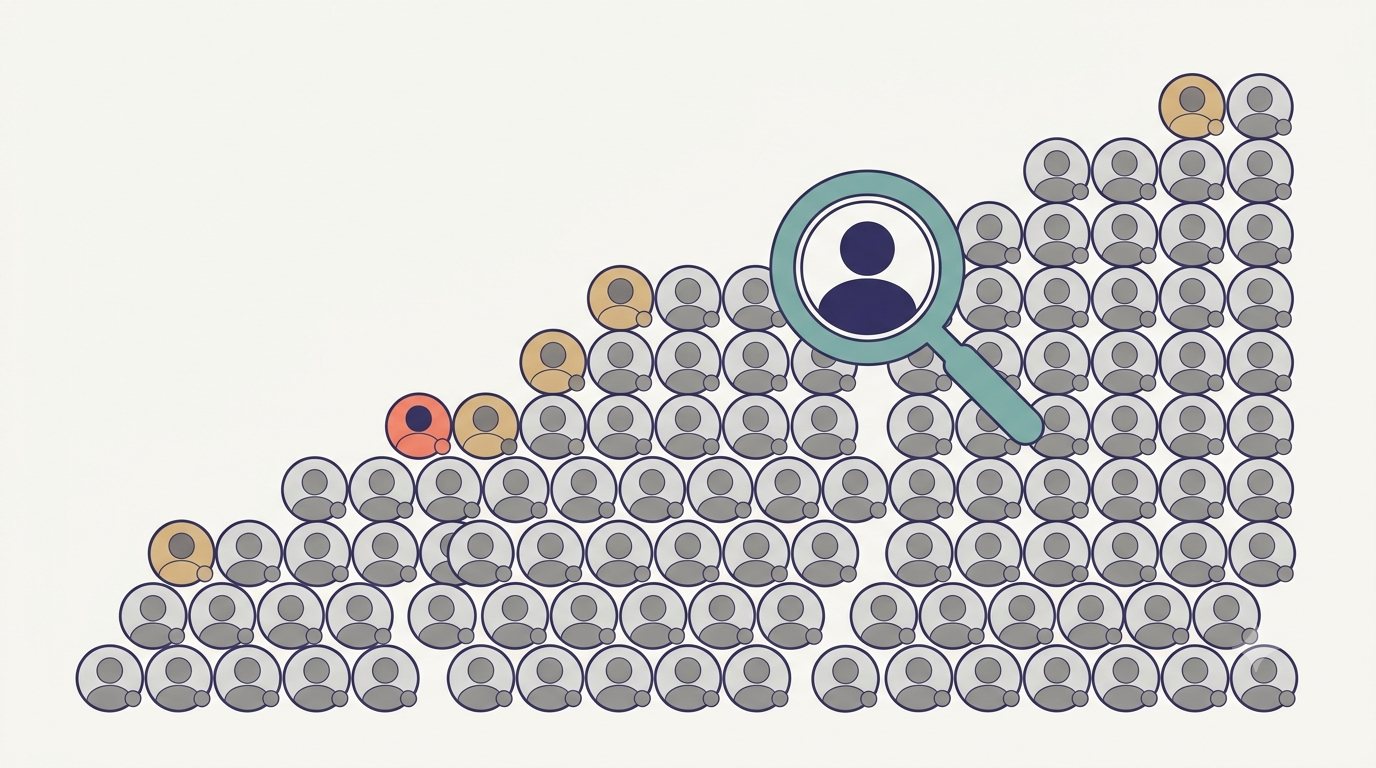
The Bank of Thailand publishes a running table of mule accounts that have been suspended. As of November 2025 the cumulative figure stood at 3,367,093 accounts.
That total draws on three sources: data from the Anti-Money Laundering Office, counted cumulatively from March 2023, together with data from the Central Fraud Registry and from 17 financial institutions, both counted cumulatively from January 2024.
The Central Fraud Registry is a shared database that lets every bank see the same suspect accounts. When one account is reported, other banks suspend the electronic channels on that account as well, rather than the suspension stopping at the bank that received the report.
Source: https://www.bot.or.th/th/fraud/mule-suspend.html
What Ordinary People Should Know
Three points are worth remembering.
- A bank account and a SIM card are personal. They should not be lent to anyone, however close, and no one should open an account for someone else in return for payment, because the law penalises the act of consenting to its use rather than waiting for a loss to occur.
- The most common approach is an offer of easy work and good money that only requires the use of your account to move funds. The person being recruited usually believes they are an employee. In law they are a person who consented to the use of their account, which makes them an offender under Section 9.
- Anyone who falls victim to an online scam should call the 1441 hotline as quickly as possible, because the sooner a report is made, the better the chance the system can freeze the money trail in time.
This law says something broader than its own text. Preventing modern crime does not end with arresting the person who tells the lie. It rests on making the tools that person needs harder to obtain. Since accounts and SIM cards are those tools, refusing to lend an account is a crime prevention measure that anyone can act on immediately, without waiting for anyone else.
References
ธนาคารแห่งประเทศไทย. (2568). การระงับ "บัญชีม้า" ตัดวงจรมิจฉาชีพ. https://www.bot.or.th/th/fraud/mule-suspend.html
พระราชกำหนดมาตรการป้องกันและปราบปรามอาชญากรรมทางเทคโนโลยี พ.ศ. 2566. (2566, 16 มีนาคม). ราชกิจจานุเบกษา, เล่ม 140 ตอนที่ 18 ก, หน้า 1-7. https://ratchakitcha.soc.go.th/documents/140A018N0000000000100.pdf
พระราชกำหนดมาตรการป้องกันและปราบปรามอาชญากรรมทางเทคโนโลยี (ฉบับที่ 2) พ.ศ. 2568. (2568, 12 เมษายน). ราชกิจจานุเบกษา, เล่ม 142 ตอนที่ 27 ก, หน้า 5. https://ratchakitcha.soc.go.th/documents/67320.pdf
Good knowledge should not stay in the library. It should be used to build a safer world.
Follow us at www.crimesci.com
Contact info@crimesci.com
#HubofKnowledge #CenterforCrimeScience #CrimeScienceWeekly
#วิทยาการอาชญากรรม #บัญชีม้า #อาชญากรรมออนไลน์ #MuleAccount