Educational institutions are not only places of learning. They are also spaces where children and young people spend their lives, meet others, and engage with the wider community.
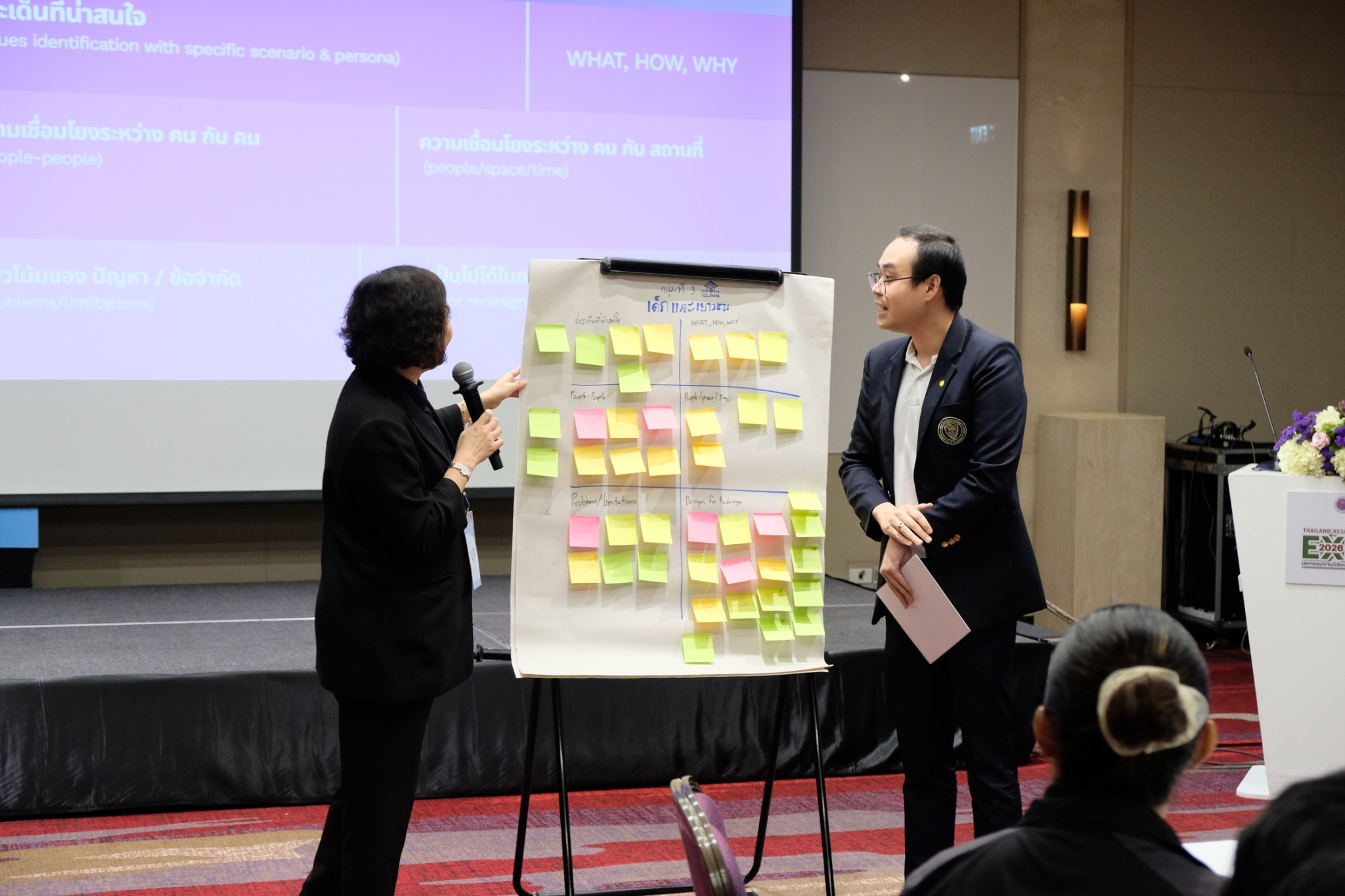
In Group Activity 3, participants explored what a “safe educational environment” should look like. Their discussion covered accidents and injuries, environments that support learning, physical and mental well-being, and the confidence of parents and local communities.
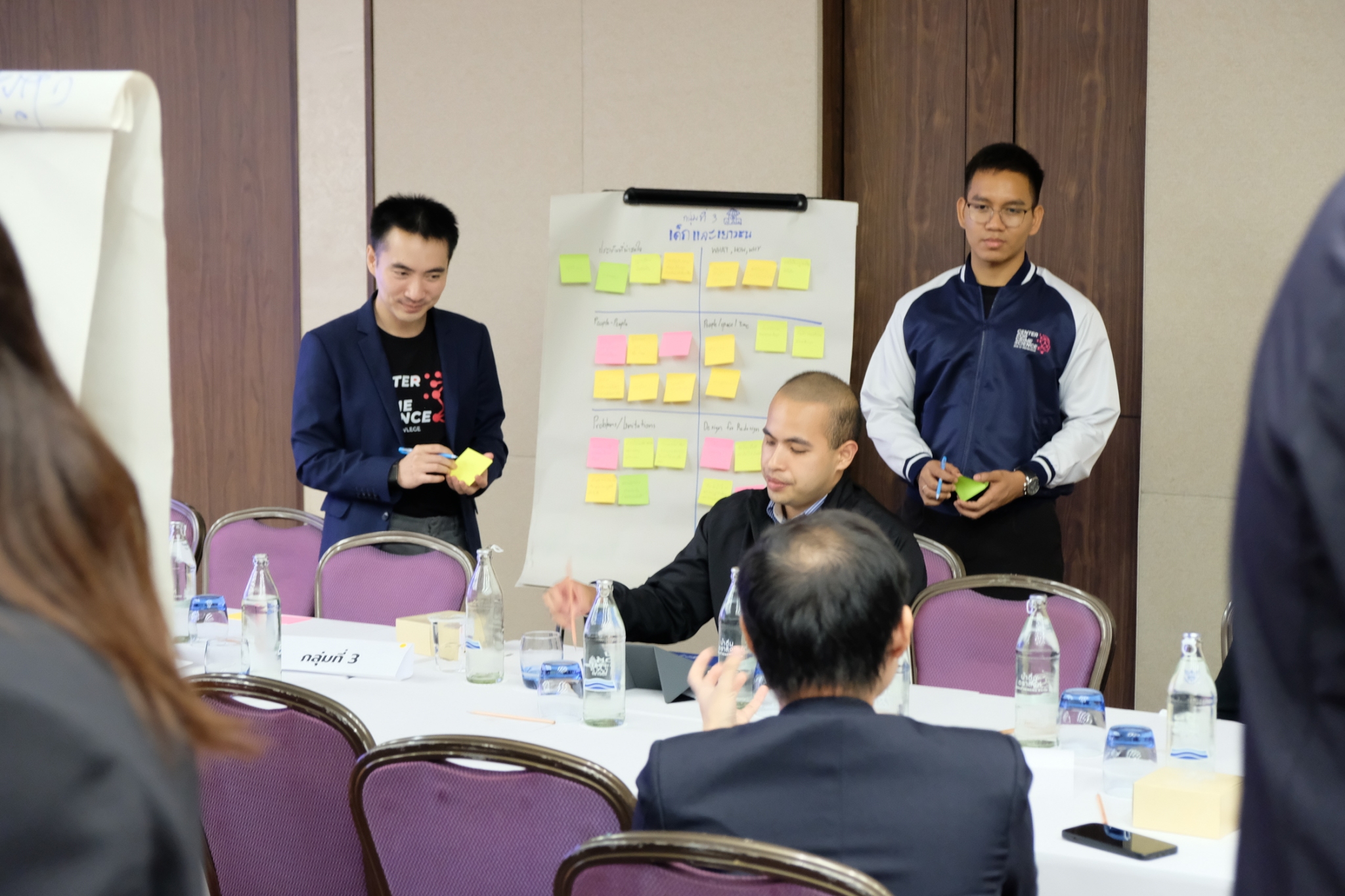
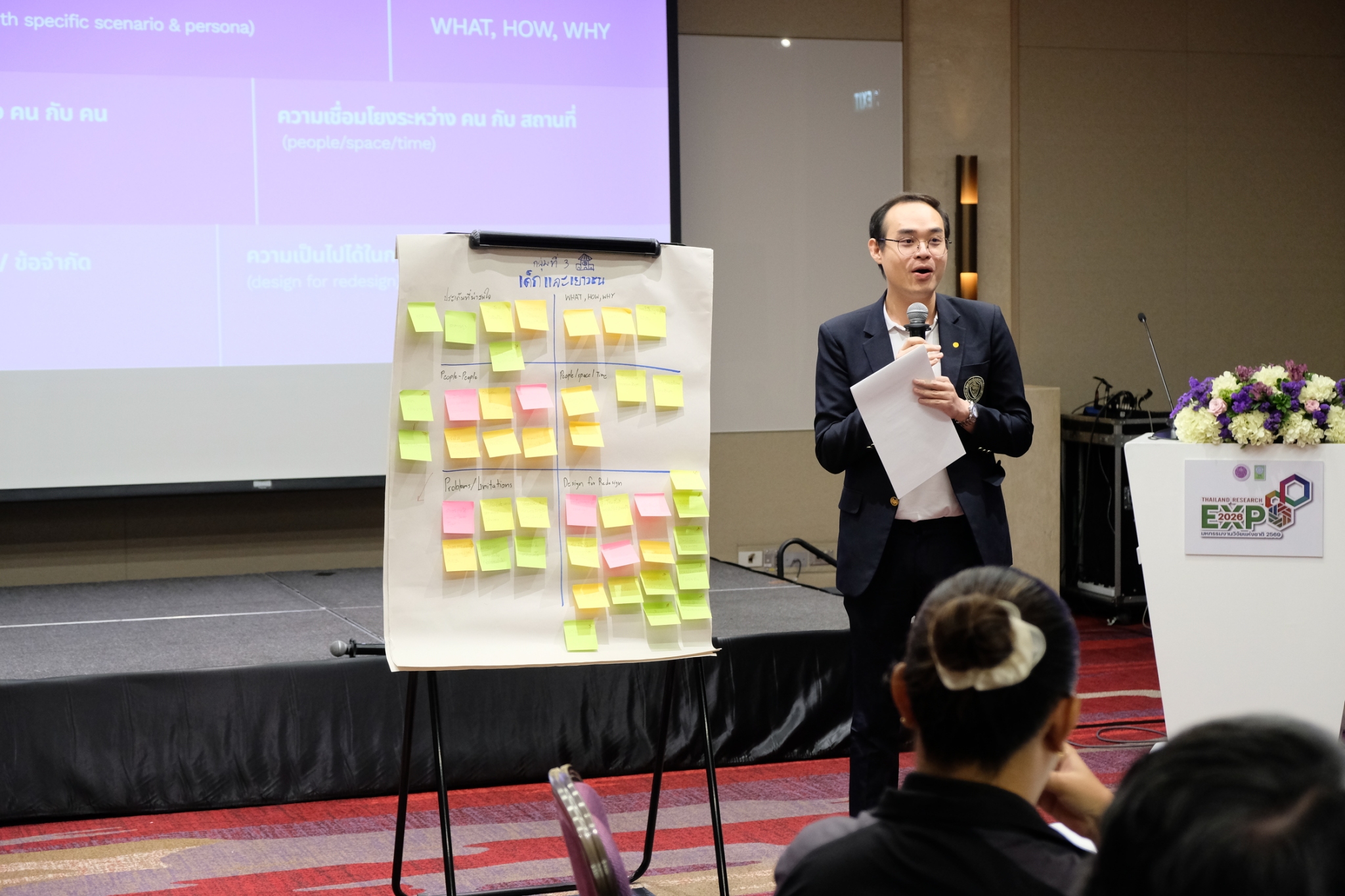
Another important issue was viewing educational institutions as “open spaces” that can connect with their surrounding communities. However, opening these spaces must be accompanied by safety measures that inspire confidence among everyone who uses them.
The activity therefore invited participants to consider an important question: Instead of placing responsibility for safety solely on security guards or a small group of designated personnel, how can we create a culture in which school and university students, parents, staff, and all users of the space share responsibility for keeping it safe?
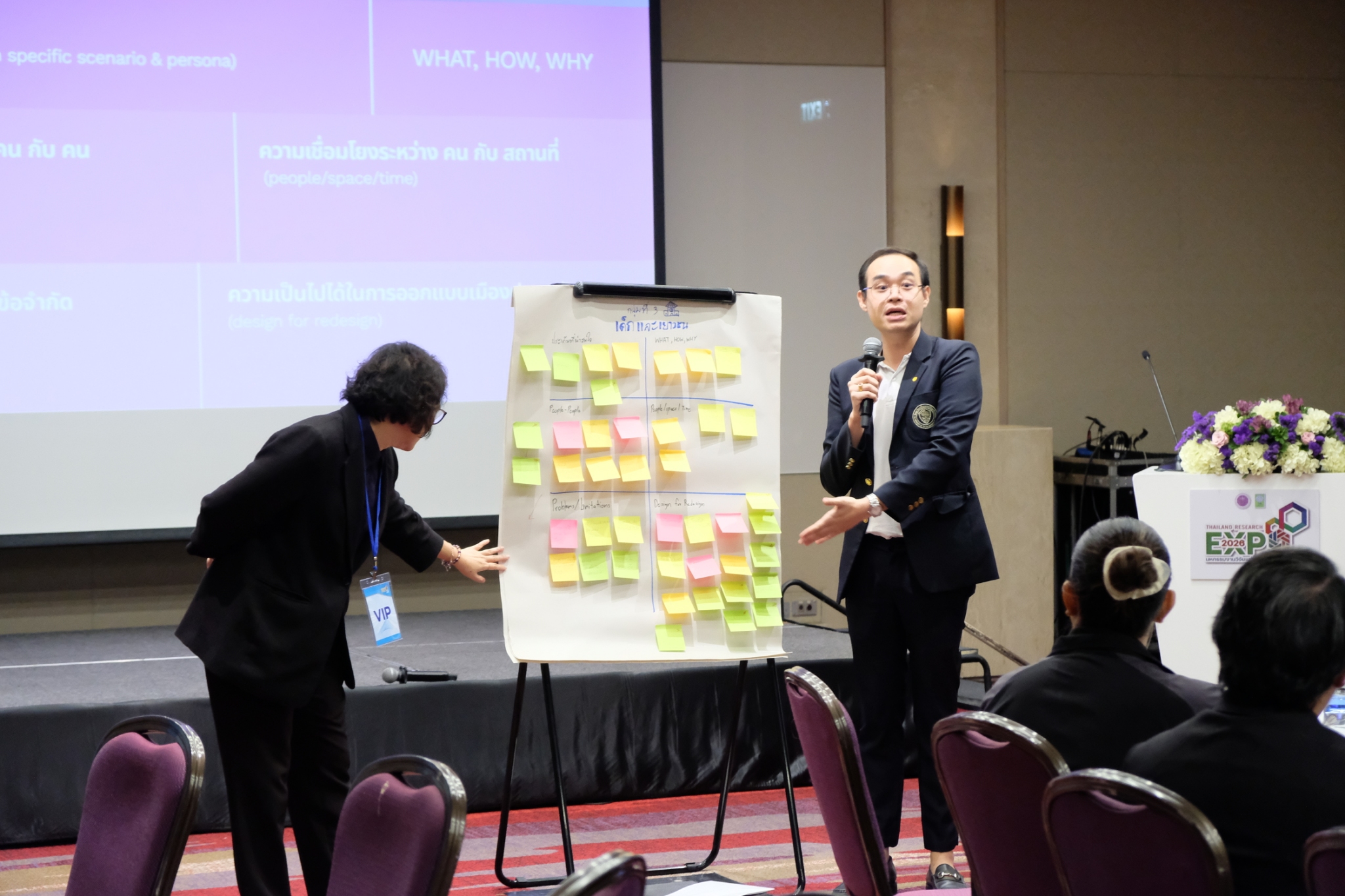
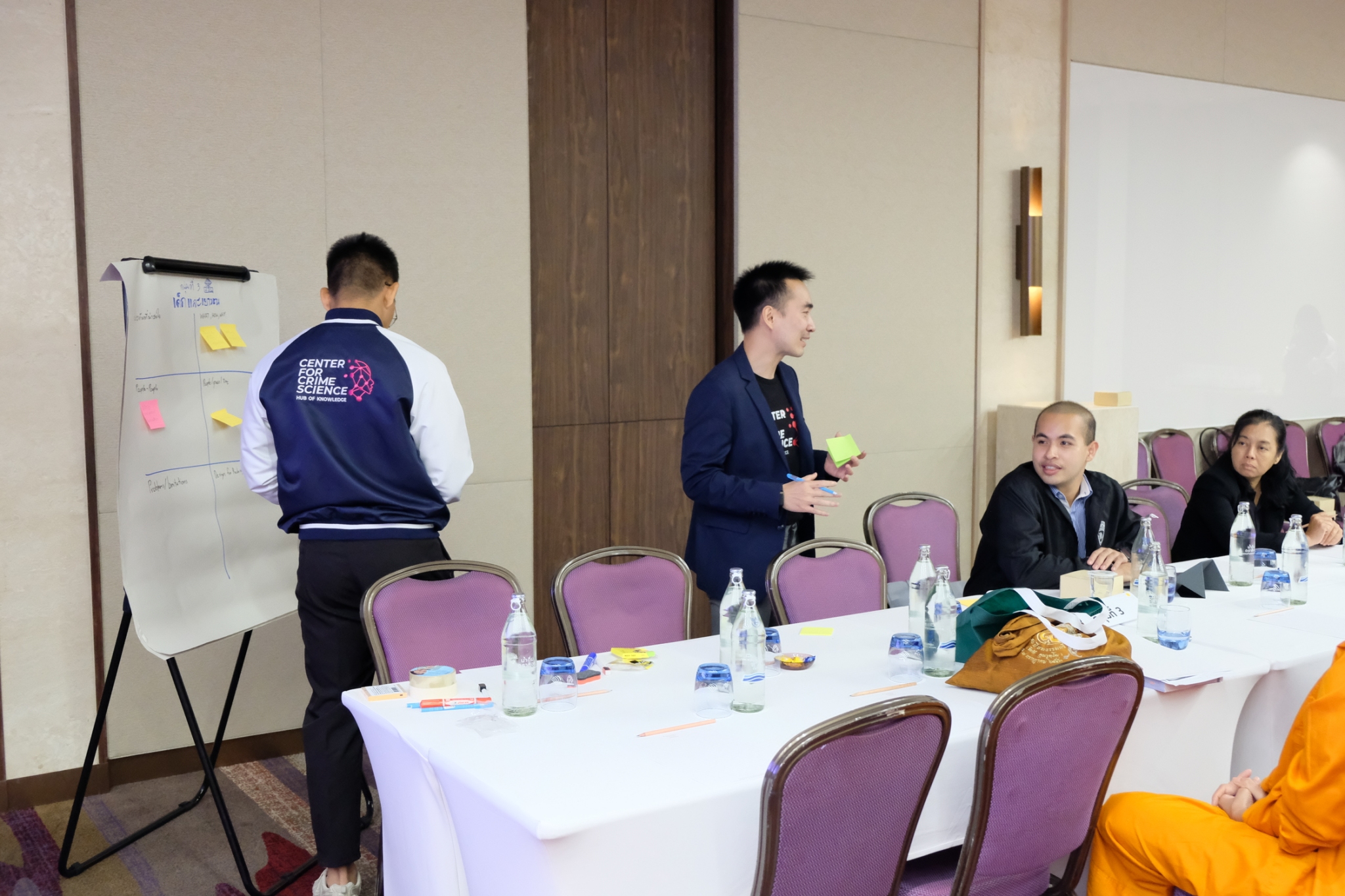
Participants also designed communication methods appropriate for children and young people, such as Game Mapping, which enables them to explore their surroundings and identify potential risk areas themselves.
A safe educational environment is not one that “shuts everything out.”
It is one that remains open to learning and participation—and where everyone helps take care of the space together. 🤝
#SafeCity #SafeCityInnovators #เมืองปลอดภัย #ChildrenAndYouth #SafeEducationalEnvironment #DesignThinking #CrimeScience