As people grow older, leaving home to visit a park, participate in activities, or meet others may involve more challenges than we realize.
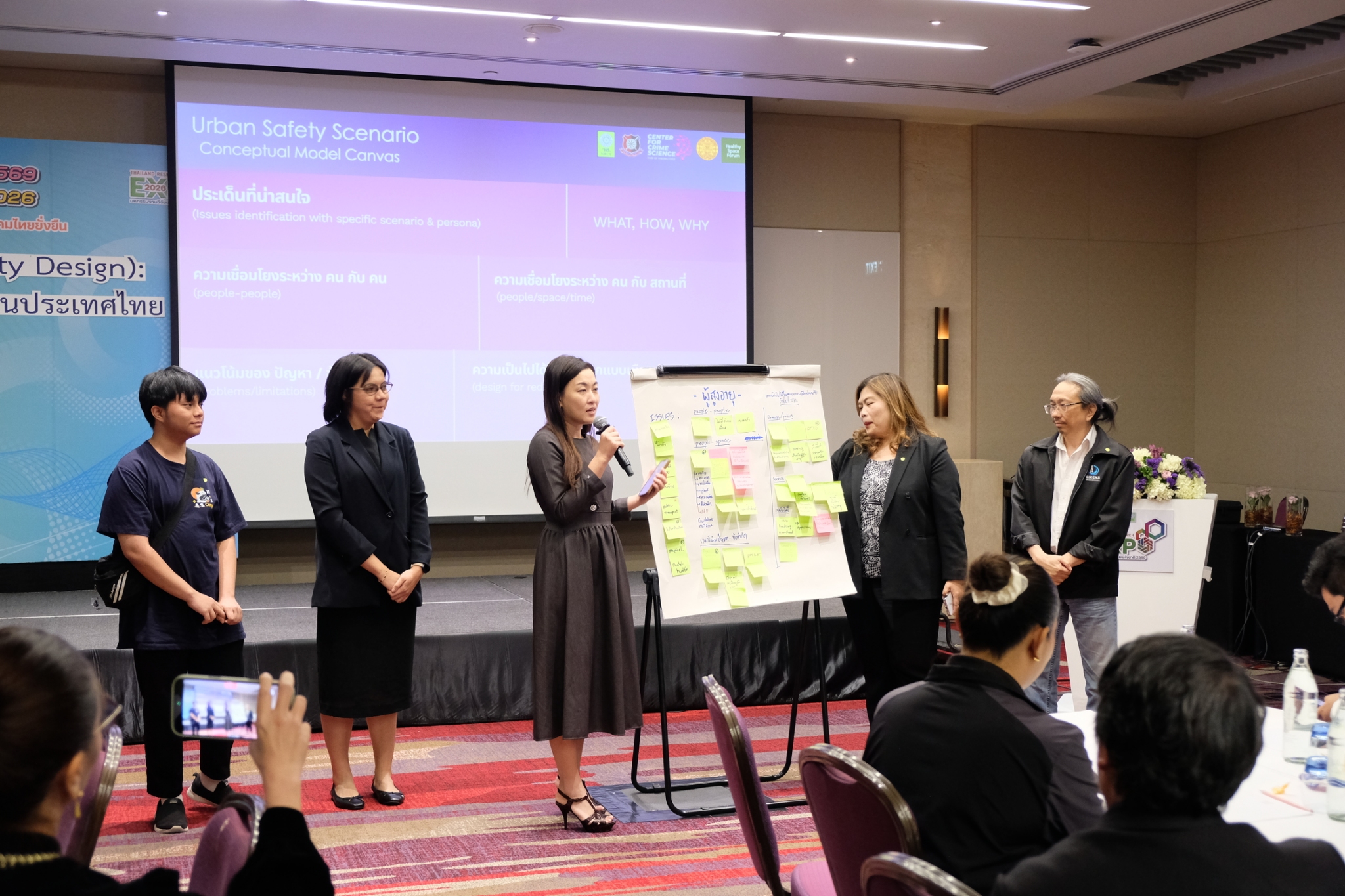
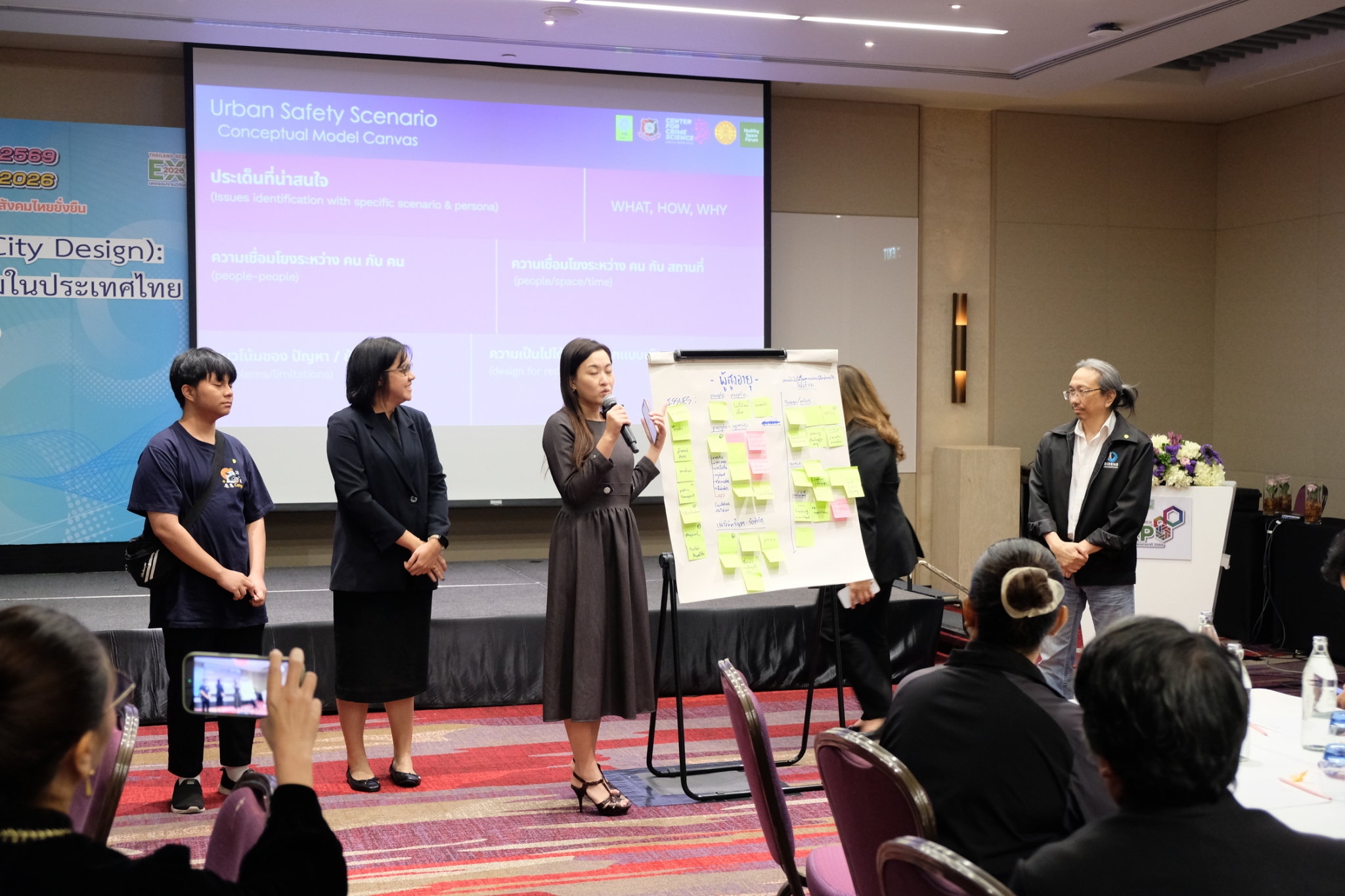
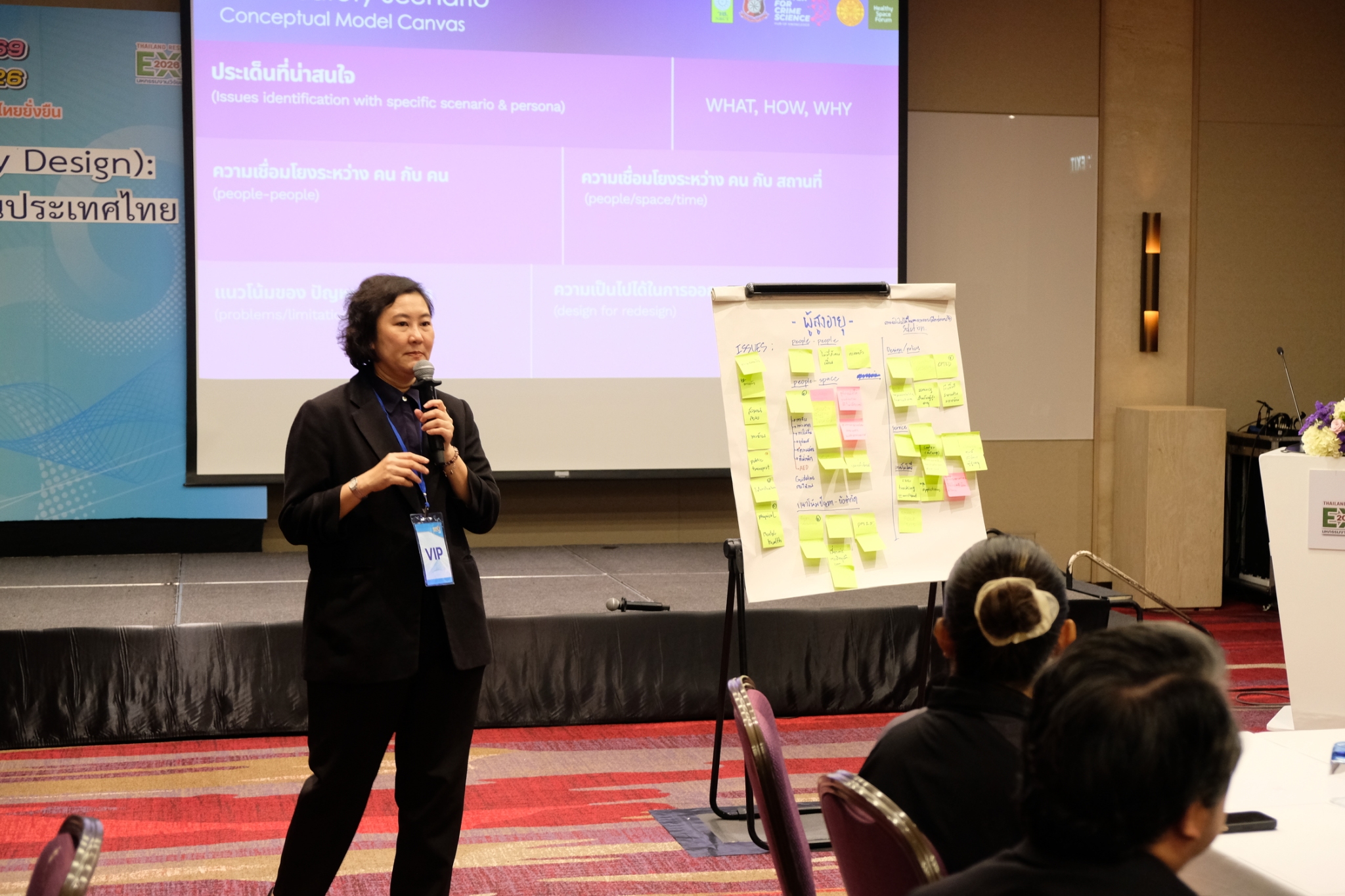
In Group Activity 4, participants examined the journeys of older adults—from leaving home and travelling by public transport to accessing and using public spaces. They considered both infrastructure-related barriers and people’s emotional and social needs, including opportunities to connect with others.
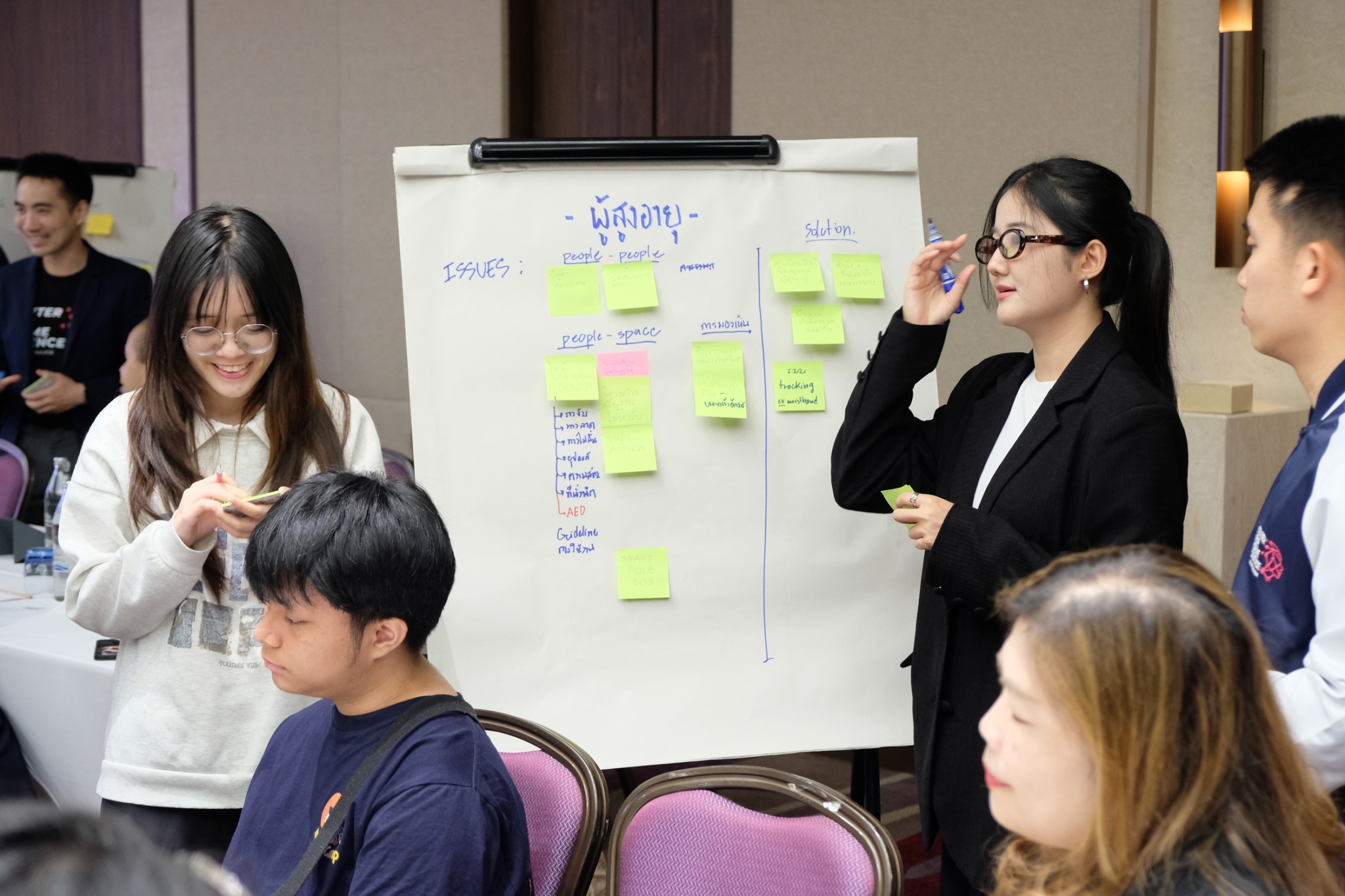
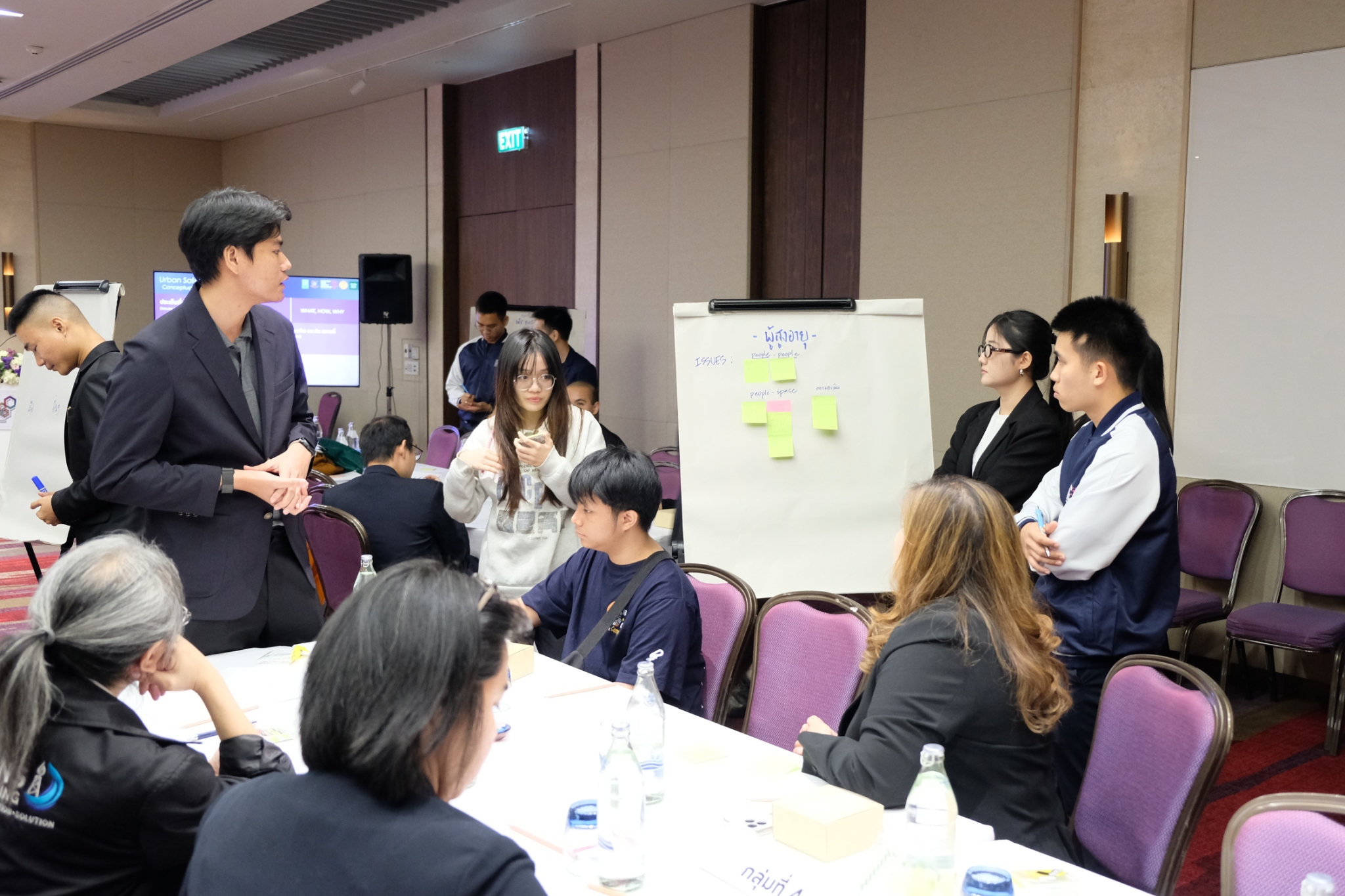
The activity also explored the relationships between People–People, People–Space, and Space–Space. This framework encouraged participants to design environments that offer more than ramps and physical facilities—spaces that enable older adults to travel, participate, and live confidently in public life.
The proposed approaches included safe walkways, adequate lighting, fewer hidden or poorly visible areas, clear signage, rest areas, accessible toilets, and emergency assistance equipment. Participants also emphasized creating spaces where older adults can meet others, participate in activities, and continue to feel that they belong to their community.
A city that is safe for older adults is not merely a city that is “walkable.”
It is a city that enables them to leave home, live their lives, and feel that they remain part of the city. 🤝
#SafeCity #SafeCityInnovators #เมืองปลอดภัย #OlderAdults #PublicSpaces #DesignThinking #CrimeScience